
A Guide to Float Therapy
Step into a room designed for stillness and discover what float therapy feels like, why people love it, and how it supports deep relaxation.
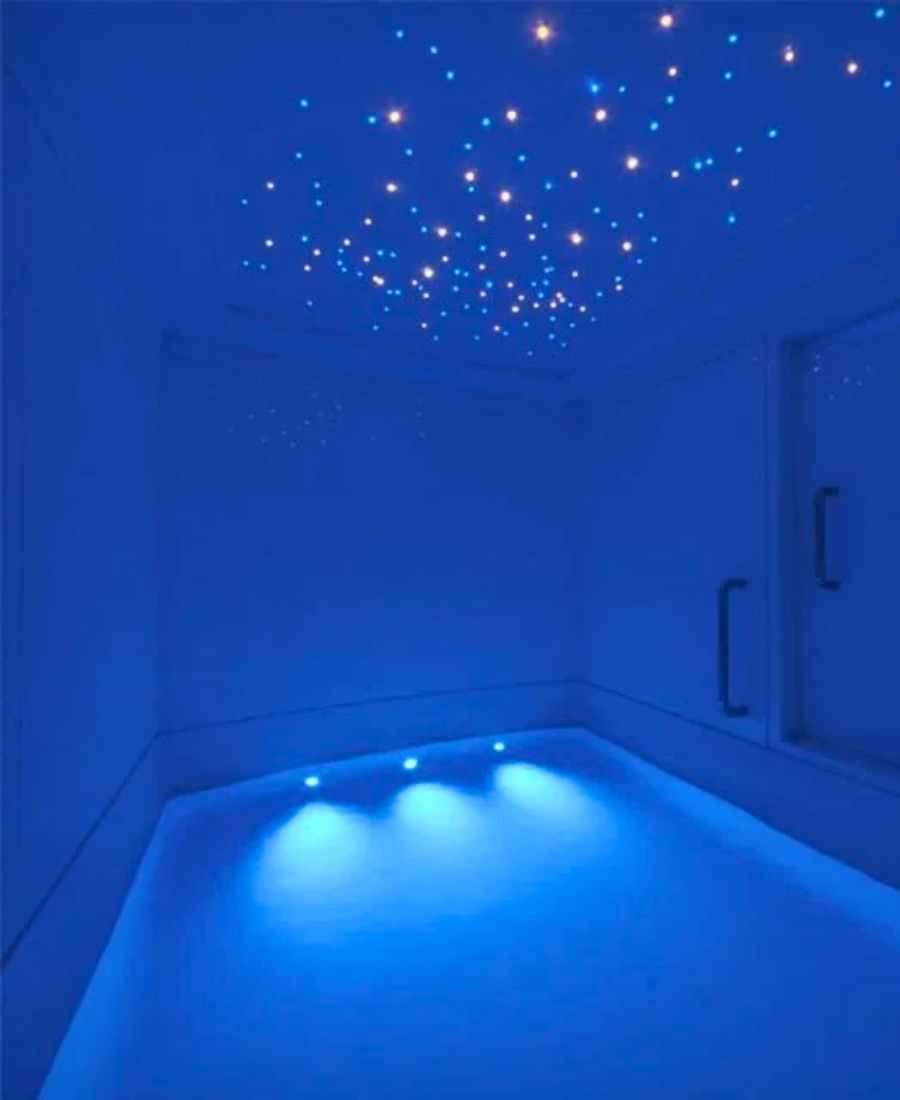
Step into a room designed for stillness. The lights are dim, the air is warm, and the faint scent of mineral-rich water invites your senses to slow.

You slip into the float tank, and the water rises to meet your body, holding you effortlessly.
Every point of contact is supported, yet weightless. Your spine releases, your muscles soften, and the smallest knots of tension begin to melt away.
Outside worries fade as your mind drifts into quiet, and for this hour, gravity loosens its grip.
The Experience
What Is Float Therapy?
Float therapy is a deeply restorative experience where warm, mineral-rich water cradles your body, creating near-weightless buoyancy that supports muscles, joints, and connective tissue. Combined with sensory isolation, it allows your body to fully relax while your mind moves into slower, meditative brainwave states.
As the float continues, soft lights and gentle music fade into the background. Breathing slows, the nervous system shifts out of “fight or flight,” and tension held deep in the body begins to release. Shoulders unclench, headaches fade, and aches soften. Even a single session can leave you feeling calmer, clearer, and more grounded than you’ve felt in weeks.
For an hour, your body rests, your mind resets, and your senses finally find stillness.
Why People Float
Why People Float
Modern life rarely gives us a break from stimulation. Between busy schedules, bright screens, constant notifications, and everyday responsibilities, both body and mind are continually processing information.
Float therapy offers the opposite environment.
By removing many of the external distractions we experience throughout the day, floating allows the nervous system to shift into a calmer, restorative state. Without the usual pressure on muscles and joints - or the constant stream of sensory input - the body can relax in a way that is difficult to achieve elsewhere.
As a result, many people notice meaningful benefits after floating, including:
- Reduced stress and anxiety
- Relief from muscle tension and soreness
- Improved focus and mental clarity
- Deeper relaxation and better sleep
- Faster recovery after physical activity
While every float experience is unique, many people leave their session feeling lighter, calmer, and more refreshed.

The First Float
What It Feels Like to Float
If it’s your first time floating, the experience is surprisingly simple.
When you arrive, you’ll be shown to your private float suite and asked to take a quick shower before entering the tank. Once inside, you simply lie back and allow the water to support your body.
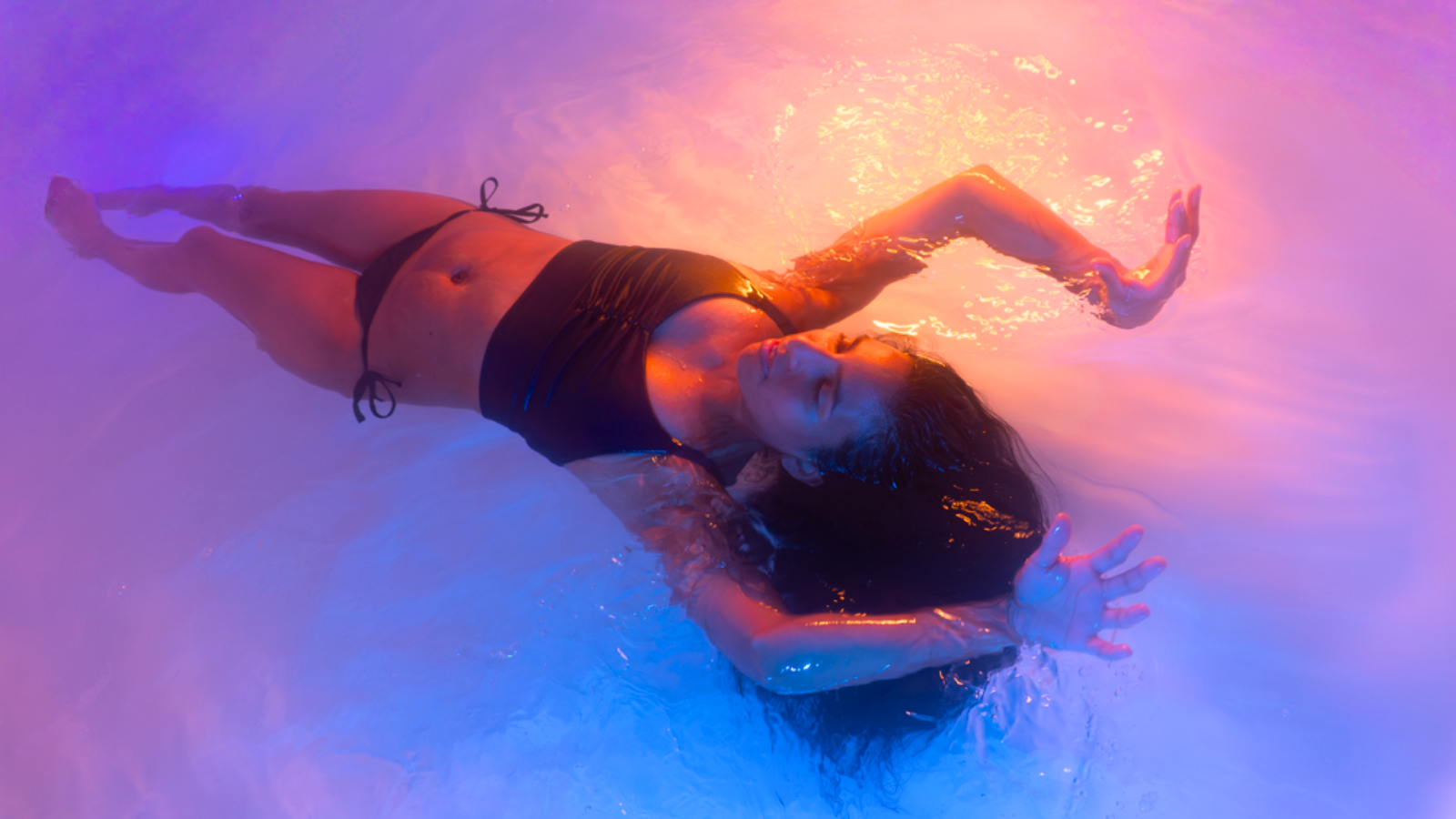
Within a few minutes, many people feel as though they are suspended in space.
Because the water is heated to skin temperature, the sensation of the water gradually fades.
At first, your thoughts may drift through your mind - thinking about your day, your plans, or simply adjusting to the quiet. But as the session continues, most people begin to settle into a deeper state of calm.
Without gravity pulling on your body and without the usual distractions of sound and light, muscles soften and breathing slows. Some people find themselves drifting into a dreamlike state, while others simply enjoy the rare experience of complete stillness.
By the end of the session, many feel as though they have awakened from a deeply restorative rest.
Before You Float
Tips for Your First Float
Trying something new can feel unfamiliar at first, but most people find floating surprisingly natural once they settle in.
Avoid caffeine beforehand so your body can relax more easily.
Eat lightly before your session to stay comfortable.
Give yourself time to settle into the experience - deep relaxation may take a few minutes.
Allow the experience to unfold naturally without trying to control it.
Many people find their first float relaxing, while their second or third session allows them to relax even more fully as their body becomes familiar with the environment.
Building a Rhythm
How Often Should You Float?
Many people notice benefits after their very first session, but floating becomes even more effective with regular use.
Some people float occasionally as a way to relax and recharge, while others incorporate floating into their wellness routine weekly or biweekly. After a few sessions, most people develop a better sense of how floating benefits them and how often they would like to return.
For those who float regularly, many choose to make it part of their ongoing wellness routine through one of our float memberships.
Like many restorative practices, the benefits of floating can build over time.

Experience It for Yourself
Sometimes the most powerful form of healing is simply allowing yourself to pause.
In a world that rarely slows down, true stillness can be hard to find. Our days are filled with noise, screens, responsibilities, and constant stimulation - often leaving both body and mind carrying more tension than we realize.
Float therapy offers something rare: an hour where you can fully let go.
In the quiet, weightless environment of the float suite, muscles soften, breathing slows, and the nervous system begins to reset.
If you’re ready to experience what true relaxation feels like, we invite you to discover float therapy for yourself.
Research & References
Curious About the Science Behind Float Therapy?
Researchers studying Floatation-REST have explored its potential connection to stress reduction, anxiety relief, relaxation, and body awareness. The studies below offer a helpful starting point for readers who want to learn more.